
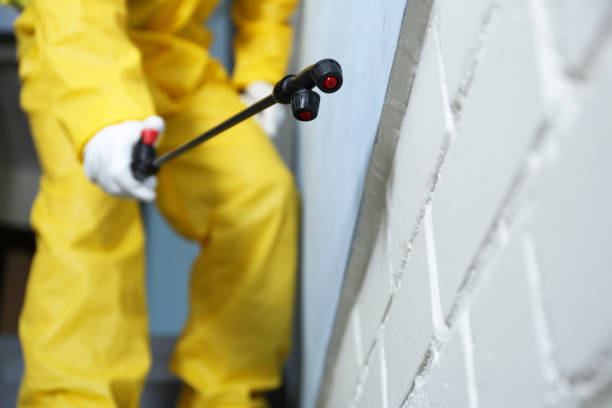
Dealing with pests requires understanding the types of pests that may invade your space and implementing appropriate strategies to keep them at bay. Below is an overview of common pests and effective measures to prevent their infestations.
Pests come in various forms, each capable of causing unique problems.
- Rodents (Mice and Rats): Known for contaminating food supplies, chewing through wires, and spreading diseases.
- Ants: Often seen around kitchens in search of food sources.
- Cockroaches: Thrive in moist areas and are notorious for spreading bacteria.
- Termites: Destroy wooden structures by feeding on cellulose-based materials.
- Mosquitoes: Bite humans and animals, possibly transmitting diseases like malaria or dengue.
- Bedbugs: Hide in mattresses and furniture, causing itchy bites.
The key to effective pest control lies in prevention.
- Regularly clean floors and countertops to remove crumbs or spills.
- Store food items in sealed containers to eliminate access points for ants or rodents.
- Inspect windows, doors, vents, and pipes for gaps or cracks.
- Use caulk or weather stripping to close off potential entryways.
- Remove stagnant water from around your home as it attracts mosquitoes.
- Ensure proper drainage systems are installed to avoid water accumulation.
- Organize storage areas neatly with plastic bins instead of cardboard containers.
- Essential oils like peppermint can deter pests like spiders and ants when sprayed near entry points.
- Diatomaceous earth can be sprinkled near baseboards to control crawling insects.
| Factor | DIY Solutions | Professional Pest Control |
| Cost | Typically lower | Can be more expensive |
| Effectiveness | May not address severe infestations | Comprehensive eradication |
| Expertise Required | Requires research on specific pests | Experts with extensive knowledge |
| Environmental Impact | Often uses natural remedies | May use chemicals (ask about eco-friendly options) |
- Schedule regular inspections to identify early signs of infestation.
- Keep outdoor areas tidy by trimming shrubs and maintaining landscaping.
- Educate your family members about proper waste disposal habits.
Effective Pest Control Tips for Homes in Vero Beach FL
Maintaining a pest-free home is essential for both comfort and health. By implementing preventive measures and adopting good practices, you can minimize the chances of an infestation. Below are some effective tips and tricks to keep your living space safe from pests.
- Wipe down countertops regularly to remove food residues.
- Dispose of garbage daily to avoid attracting flies or rodents.
- Vacuum carpets and rugs weekly to remove crumbs or insect eggs that may be hiding in fibers.
- Declutter storage spaces where insects like spiders or silverfish might hide.
- Repair any leaks promptly, as moisture attracts pests such as cockroaches and silverfish.
– Install door sweeps at the base of exterior doors to block insects like ants and rodents.
– Seal openings around utility lines (e. g., plumbing pipes) with steel wool or expanding foam.
Many pests thrive in damp environments due to the availability of water sources for survival:
– Fix leaking pipes or faucets without delay.
– Use a dehumidifier in humid areas such as basements or crawl spaces.
– Ensure proper ventilation in areas like bathrooms and kitchens to reduce moisture buildup.
| Common Pests Attracted by Moisture | Areas Where They Thrive |
| Cockroaches | Kitchens, bathrooms |
| Silverfish | Basements, attics |
| Termites | Damp wood structures |
– Remove standing water from flowerpots, gutters, birdbaths, or other containers; stagnant water is a breeding ground for mosquitoes.
– Avoid stacking firewood directly against your home since it can harbor termites.
For those seeking eco-friendly methods of pest control:
– Place sachets filled with lavender, peppermint oil, or cedar chips near entry points; these scents repel many insects naturally.
– Sprinkle diatomaceous earth along baseboards – it’s non-toxic yet effective at dehydrating crawling insects.
Regular Inspections
Conduct routine checks throughout your home for early signs of infestations:
1. Look for droppings near food storage areas (signs of rodents).
Examine wooden furniture/structures for signs of termite damage like hollow sounds when tapped. Monitor windowsills for dead insects that may indicate hidden nests.
By following these proactive strategies consistently, you can greatly reduce the risk of unwanted pests disrupting your home environment while maintaining long-term peace of mind for you and your family.
Effective Tips from an Exterminator Vero Beach FL to Protect Your Home from Common Household Mice
Mice infestations are one of the most common issues homeowners face. These small rodents may seem harmless, but they can cause significant damage to your property and pose health risks due to the diseases they carry. Taking proactive steps to prevent mice from entering your home is essential for maintaining a safe and comfortable environment.
Signs of a Mouse Infestation
Before implementing preventive measures, it’s important to identify whether you have a mouse problem.
- Droppings: Small, pellet-shaped droppings near food sources, along baseboards, or inside cabinets.
- Gnaw Marks: Chewed wires, furniture edges, or food packaging.
- Nests: Shredded paper or fabric found in hidden areas like drawers or attics.
- Odor: A strong musky smell may indicate the presence of mice.
1. Seal Entry Points
Mice can squeeze through openings as small as a dime.
– Install door sweeps on exterior doors.
– Repair damaged window screens and ensure vents are properly covered.
2. Maintain Cleanliness
– Regularly clean crumbs from countertops, floors, and pantry shelves.
3. Eliminate Clutter
– Keep stored items off the floor by using shelves or racks.
4. Proper Yard Maintenance
Your yard can act as an invitation for mice if not maintained properly:
– Trim shrubs and trees near your house to reduce access points.
– Store firewood at least 20 feet away from your home and elevate it above ground level.
Using Mousetraps and Deterrents
- Cost-effective and widely used for capturing individual mice.
- Place traps along walls where droppings or gnaw marks have been spotted.
- Offer a humane option for catching mice without killing them.
- Release captured mice far away from residential areas.
- Use ultrasonic waves that deter rodents without harming them.
- Best suited as a complementary measure rather than a standalone solution.
| Trap Type | Pros | Cons |
| Snap Traps | Affordable; effective | Can be messy |
| Live Traps | Humane; reusable | Requires relocation effort |
| Electronic Repellents | Chemical-free; easy-to-use | Limited effectiveness |
When to Call Professionals
If DIY methods fail to resolve the issue or if there is significant property damage caused by an infestation, consult professional pest control services. Experts have access to advanced tools and techniques that can address severe infestations effectively while minimizing risks to health and safety.

Effective Vero Beach Pest Removal: Understanding Ant Infestations and Prevention
Ant infestations are among the most common problems faced by homeowners. While ants are tiny and often seem harmless, they can quickly become a nuisance when they invade your home in search of food, water, or shelter. Understanding how ant infestations occur and implementing preventive measures can help you maintain a pest-free environment.
Common Causes of Ant Infestations
Ants typically enter homes for the following reasons:
– Food Sources: Crumbs, spills, and unsealed food containers attract ants. They are particularly drawn to sugary or greasy substances.
– Moisture: Leaking pipes, damp areas, or standing water serve as hydration sources for ants. Some species even thrive in high-humidity environments.
– Access Points: Cracks in walls, poorly sealed windows or doors, and gaps in foundations provide easy entry points for these pests.
Identifying an Ant Infestation
An infestation is often easy to spot due to these signs:
1.Visible Trails: You may notice long lines of ants leading to and from a food source. This is their way of communicating with other members of the colony using pheromones.
Ant Mounds: Outdoor colonies often build soil mounds near entry points to your home. These serve as indicators of nearby nests.
Damaged Food Packaging: If you observe chewed-through bags or containers near your pantry, ants might be the culprits.
Types of Ants Found Indoors
| Type | Description | Common Attractants | Habits |
| Carpenter Ants | Larger ants that cause structural damage by tunneling through wood | Moisture-damaged wood | Active at night |
| Odorous House Ants | Small brown/black ants that emit a rotten smell when crushed | Sweets like sugar and honey | Form large colonies |
| Pavement Ants | Often found nesting under pavement or sidewalks but invade homes for food | Greasy foods & starches | Slow-moving |
Preventive Strategies
- Inspect walls, windows, doors, and foundations for cracks.
- Apply caulk or weatherstripping where needed.
- Store pantry items in airtight containers.
- Clean up crumbs immediately after meals.
- Avoid leaving pet food out overnight.
- Fix leaky pipes or dripping faucets promptly.
- Consider using chemical repellents if the problem persists.
- Trim vegetation touching your house exterior.
- Keep firewood stacked away from the foundation.
When Professional Help is Necessary
If preventive methods fail and an infestation grows out of control, it may be time to consult pest control experts who specialize in ant eradication techniques like baiting systems or targeted pesticide applications.
By staying proactive with proper cleaning habits and structural maintenance while addressing early signs of trouble, you can effectively keep your home free from ant infestations over the long term without excessive reliance on chemical solutions.
Effective Termite Prevention Tips from a Trusted Pest Control Company Vero Beach
Termites are one of the most destructive pests that can invade your home, causing significant structural damage over time. Being proactive in identifying the signs of termite activity and adopting prevention strategies is essential to avoid costly repairs. Below, we explore how to detect termites and ways to safeguard your property.
Common Signs of a Termite Infestation
Detecting termites early can save thousands of dollars in damage.
- Mud Tubes: Termites construct pencil-thin mud tunnels along foundations or walls to protect themselves from predators and retain moisture.
- Discarded Wings: During swarming season, winged termites shed their wings after finding a new nesting location.
- Hollow-Sounding Wood: Tapping on wood that’s been infested often emits a hollow sound due to internal tunneling.
- Frass (Droppings): Drywood termites leave small, pellet-like droppings near entry points or damaged wood.
- Blistered or Damaged Paint: Bubbling or peeling paint may indicate moisture buildup caused by termite activity underneath.
Prevention Techniques for Termite Control
Taking preventative measures can significantly reduce the risk of a termite infestation.
- Repair leaky pipes, faucets, and HVAC systems promptly.
- Ensure gutters and downspouts direct water away from your home’s foundation.
- Ensure crawl spaces are properly ventilated to reduce humidity levels.
- Use dehumidifiers if necessary in areas with high humidity.
- Check wooden fences, decks, and other structural elements that come into contact with soil.
- Use treated wood for outdoor projects where possible.
- Use physical barriers like stainless steel mesh or sand around foundational areas during construction.
- Apply termiticide-treated soil around the perimeter of your home as a chemical deterrent.
- Seal cracks in foundations and walls to prevent entry.
- Keep mulch at least 15 inches away from the base of your house.
Professional Treatment Options
| Treatment Method | Description | Best For |
| Liquid Termiticides | Applied to soil around the foundation to create a chemical barrier against termites. | Subterranean termites |
| Bait Stations | Bait containing slow-acting toxins placed in areas where termites are active. | Monitoring and population control |
| Fumigation | Whole-home treatment with gas fumigants to eradicate large infestations completely. | Severe drywood termite infestations |
Importance of Routine Inspections
Even if no immediate signs of termites are present, scheduling routine inspections (at least annually) is crucial for early detection. Professionals have tools such as moisture meters and thermal imaging cameras that can uncover hidden activity behind walls or under flooring.
Adopting these strategies ensures your home remains protected from one of nature’s most destructive pests while avoiding extensive repairs caused by unchecked infestations.
Comprehensive Pest Rankings and Their Impact on Your Home
Pests can be a significant nuisance and, in some cases, a serious threat to the health, safety, and structural integrity of your home. Understanding the hierarchy of the most common pests based on their impact is essential for prioritizing your pest control efforts. Below is an overview of pest rankings and how they can affect various aspects of your household.
High-Impact Pests
Some pests cause severe damage to property or pose health risks to inhabitants.
– Termites
– Impact: Termites are notorious for silently damaging wooden structures. Over time, this can result in costly repairs or even complete structural failure if left untreated.
– Signs to Watch For: Mud tubes along walls, hollow-sounding wood, discarded wings, or frass (termite droppings).
- Impact: Rodents carry diseases such as hantavirus and salmonella. Their gnawing habits can also damage wiring, increasing the risk of electrical fires.
- Signs to Watch For
- Impact: These pests spread bacteria like E. coli and contaminate food sources. Their presence can also exacerbate asthma symptoms in sensitive individuals.
- Signs to Watch For: Foul odors, egg cases near dark corners, or spotting live cockroaches during nighttime hours when they’re most active.
Moderate-Impact Pests
These pests may not cause immediate harm but still need attention:
– Ants (Carpenter Ants)
– Impact: Unlike termites, carpenter ants don’t eat wood but burrow into it to create nests. This activity weakens wooden structures over time if left unchecked.
Management Tip: Keep sugary items sealed tightly; use ant baits where activity is observed.
- Impact: Most spiders are harmless; however, venomous species like black widows or brown recluses may pose a medical risk if bitten.
- Management Tip: Regularly vacuum corners where webs form; seal cracks around windows and doors.
Low-Impact but Common Nuisance Pests
Some pests may not pose direct risks but become bothersome due to their prevalence:
– House Flies
– Easily attracted by waste materials; their presence often signals sanitation issues.
- Protect Your Home with Expert Vero Beach Pest Control Solutions for Rodent Infestations
- 3 Reasons Why Vero Beach Pest Control is Crucial for Effective Pest Elimination
- Expert Tips from an Exterminator Vero Beach FL on Managing Seasonal Pest Control Challenges
- Effective Vero Beach Pest Control Strategies for Dealing with Different Pests
- Common Pest Control Myths in Vero Beach FL and How to Avoid Them
- How an Exterminator Vero Beach FL Can Help Prevent Pest Infestations Through Odor Control
- Effective Vero Beach Pest Removal: Why Mice Keep Coming Back and How to Eliminate Them
- How to Prevent Recurring Pest Problems with Expert Pest Control Vero Beach FL