
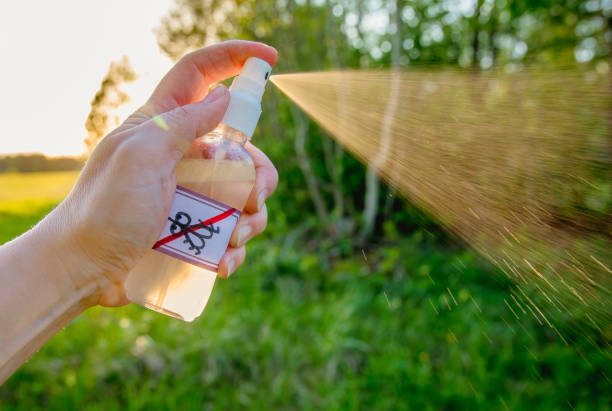
When it comes to pest infestations, time is of the essence. Delaying action can lead to significant consequences for your home, health, and wallet. Below are three compelling reasons why addressing a pest problem promptly is essential for effective elimination.
1. Rapid Reproduction Compounds the Problem
Many pests, including rodents, insects, and other nuisances, reproduce at an alarming rate. Failing to act quickly can allow their population to grow exponentially in a short period of time.
- Rodents: A pair of mice can produce up to 60 offspring in a single year.
- Cockroaches: Some species lay egg cases containing dozens of eggs that hatch within weeks.
- Bed Bugs: These insects multiply rapidly, with females laying up to 500 eggs over their lifetime.
Ignoring the problem allows pests to establish themselves deeply within your property, making eradication more complicated and costly.
2. Pests Can Cause Extensive Property Damage
| Pest Type | Type of Damage |
| Termites | Feed on wooden structures and furniture |
| Rodents | Chew through wires, drywall, insulation |
| Carpenter Ants | Bore into wood while creating tunnels |
| Silverfish | Destroy books, wallpaper, clothing |
Addressing an infestation early ensures that repairs remain manageable and prevents long-term damage from escalating into expensive renovations.
3. Protecting Health and Hygiene
- Rodents can carry pathogens like hantavirus or salmonella through droppings or contact with food sources.
- Cockroaches leave behind droppings that trigger asthma attacks or allergic reactions in sensitive individuals.
- Mosquitoes breed indoors when standing water is available and may spread illnesses like West Nile virus or dengue fever.
Eliminating pests at the earliest sign keeps your living environment hygienic while mitigating health risks for family members and pets alike.
Preventative Action Makes a Big Difference
- Seal cracks and gaps around windows, doors, and foundations.
- Store food in airtight containers.
- Keep your home clean and clutter-free to remove potential hiding spots.
Acting fast not only saves time but also spares you from unnecessary stress caused by worsening infestations or preventable damages. Staying vigilant is key when it comes to effective pest management strategies long-term.
Effective Pest Control Vero Beach FL: Protect Your Home and Health
Pests are more than just a nuisance; they can pose significant health risks to you and your family. Many common household pests are carriers of harmful bacteria, pathogens, and allergens that can lead to illnesses or exacerbate existing health conditions. Below is an in-depth look at some of the health hazards associated with these unwelcome invaders.
Diseases Transmitted by Household Pests
- Rodents (Mice and Rats):
Rodents can carry diseases such as hantavirus, leptospirosis, and salmonella. Hantavirus is particularly dangerous as it can lead to severe respiratory distress if inhaled through contaminated rodent droppings or urine. - Cockroaches:
Cockroaches are known for spreading bacteria like E. coli and Salmonella, which can contaminate food preparation areas. Their droppings and shed skin can also trigger asthma attacks or allergic reactions in sensitive individuals. - Mosquitoes:
These insects are infamous for transmitting serious illnesses such as malaria, dengue fever, West Nile virus, and Zika virus. - Ticks:
Ticks may carry Lyme disease and Rocky Mountain spotted fever. Both conditions require immediate medical intervention to avoid long-term complications.
| Pest Type | Common Diseases Spread | Mode of Transmission |
| Rodents | Hantavirus, Leptospirosis | Droppings, urine |
| Cockroaches | Salmonella, E. coli | Contaminated food surfaces |
| Mosquitoes | Malaria, Dengue Fever | Bites |
| Ticks | Lyme Disease | Bites |
Allergens from Pests
- Dust Mites: These microscopic arachnids thrive in bedding and upholstered furniture. Their waste products trigger allergies in many individuals.
- Cockroach Allergens: The saliva, excrement, and body parts of cockroaches contain proteins that contribute to indoor allergens.
- Rodent Dander: Hair sheds from rodents may worsen respiratory problems or cause sneezing fits.
Secondary Health Complications
- Food Contamination: Pests like ants and flies have a knack for reaching your food supplies unnoticed. Their presence risks contamination that could lead to stomach illnesses.
- Skin Irritation: Bed bugs and fleas often leave itchy bites on human skin that may result in swelling or infections due to scratching.
- Mental Stress: Constant pest infestations often lead to anxiety over cleanliness issues or potential health problems within the household environment.
Steps To Minimize Health Risks from Pests
- Keep your living spaces clean by regularly vacuuming floors and wiping down surfaces.
- Store food in airtight containers to prevent contamination.
- Seal cracks around windows, doors, pipes, and vents where pests might gain entry.
- Schedule routine pest inspections with professionals for early detection of infestations.
- Eliminate standing water around your home as it attracts mosquitoes.
By understanding these risks better and taking proactive steps toward pest prevention and control measures at home, you reduce the likelihood of exposure while maintaining a healthier living environment year-round.
Top 3 Reasons to Hire an Exterminator Vero Beach FL for Fast Pest Elimination
Pest infestations can escalate quickly, turning a minor inconvenience into a major problem if left unaddressed. Acting promptly to deal with pests is crucial for several reasons, ranging from mitigating property damage to protecting your health. Below are three key reasons why swift action against pests is essential.
1. Preventing Property Damage
Pests can cause extensive and costly damage to your property if not eliminated in time. Many common household pests target specific materials in your home, leading to gradual but significant destruction.
- Termites: Termites feed on wood and can weaken the structural integrity of your home over time. A small infestation can spread rapidly, requiring expensive repairs.
- Rodents: Rats and mice are notorious for chewing through electrical wiring, insulation, and walls. This not only damages your property but also increases the risk of electrical fires.
- Carpenter Ants: Similar to termites, carpenter ants burrow into wooden structures and furniture, causing long-term damage.
Regular inspections and immediate intervention can save homeowners from bearing high repair costs down the line.
2. Containing Population Growth
Most pests reproduce at a rapid rate, making early detection and quick action critical in controlling their population before it becomes unmanageable.
- A single female German cockroach can produce up to 400 offspring in just six months.
- One pair of mice can lead to dozens of offspring in a year due to their short reproductive cycles.
Delaying pest control measures allows these populations to grow exponentially, turning what could have been an isolated incident into a full-blown infestation.
3. Protecting Health and Hygiene
Many pests pose significant health risks by transmitting diseases or contaminating food sources within your home. Swift action helps reduce exposure to these hazards.
- Cockroaches: These insects carry bacteria like Salmonella and E. coli on their bodies, which they spread across surfaces and food items.
- Rodents: Rodents are known carriers of diseases such as Hantavirus and Leptospirosis through their droppings or urine.
- Bed Bugs: While bed bugs don’t transmit diseases directly, their bites can lead to allergic reactions or secondary infections due to scratching.
Addressing pest issues immediately not only ensures a safer living environment but also minimizes medical expenses associated with pest-related illnesses.
Effective Vero Beach Pest Removal Tips for Quick Action
- Identify the type of pest – This determines the best course of action for elimination.
- Contact professional exterminators – Experts have specialized tools and treatments for efficient removal.
- Remove attractants – Dispose of trash properly, seal food containers tightly, and fix leaks that might attract pests.
- Seal entry points – Inspect windows, doors, vents, and other openings where pests may enter your home.
- Use traps or deterrents – For immediate relief against rodents or insects while awaiting professional assistance.
| Pest Type | Key Damage Caused | Recommended Action |
| Termites | Structural wood damage | Professional fumigation |
| Rodents | Chewed wires & fire risk | Bait traps + sealing entry points |
| Cockroaches | Food contamination & bacteria | Targeted pesticide treatments |
| Bed Bugs | Skin irritation from bites | Heat treatments + vacuuming |
Timely intervention plays a pivotal role in minimizing both financial costs and health risks caused by pest infestations. By recognizing early warning signs and acting quickly with appropriate measures—whether DIY steps or professional help—you safeguard your home from escalating damages while ensuring peace of mind.
Effective Tips from a Pest Control Company Vero Beach to Prevent Future Infestations
Preventing pest infestations requires a proactive approach. By implementing effective strategies, you can safeguard your home from unwanted pests and the problems they bring. Below are some practical tips and methods to keep your space pest-free year-round.
Maintain Cleanliness
- Wipe down kitchen counters and dining tables after every meal.
- Sweep or vacuum floors regularly to remove food particles.
- Avoid leaving dirty dishes in the sink overnight.
- Empty kitchen cabinets and clean them thoroughly.
- Check behind appliances like refrigerators and stoves for hidden debris.
- Wash pet bedding regularly as it can attract fleas or mites.
Proper Food Storage

| Food Type | Storage Recommendation |
| Dry goods (e.g., rice, flour) | Airtight containers made of glass or plastic |
| Fresh produce | Refrigerate or store in sealed containers |
| Pet food | Keep in sealed bins; avoid leaving bowls out overnight |
Seal Entry Points
- Inspect windows, doors, walls, and floors for any visible cracks or holes.
- Use caulk or weather stripping to seal gaps around windows and door frames.
- Install mesh screens on vents and chimneys to block insects from entering while maintaining ventilation.
Eliminate Standing Water Sources
- Repair leaky faucets, pipes, or air conditioning units immediately.
- Empty unused buckets or containers that collect water.
- Ensure proper drainage around your property by cleaning gutters regularly.
Regular Inspections
- Check basements, attics, and crawl spaces for droppings or nests.
- Look for gnaw marks on furniture or walls caused by rodents.
- Monitor window sills for dead insects that may indicate an indoor infestation.
Professional Preventative Measures
- Schedule periodic pest control treatments with licensed professionals.
- Request a home inspection from an expert who can identify vulnerabilities unique to your property.
- Consider using non-toxic sprays or repellents recommended by professionals if children or pets are present.
By following these tips consistently, you’ll be better equipped to prevent future infestations while ensuring a healthier living environment for all members of your household.
Four Pesky Insects That Are Surprisingly Difficult to Get Rid Of
Pests can be a nuisance in any home, but some insects are notoriously hard to eliminate due to their resilience and adaptive behaviors. Below, we explore four of the most challenging insects to manage and why they demand extra effort for complete eradication.
1. Cockroaches
Cockroaches are one of the most resilient pests, often requiring multiple strategies to control effectively. Their ability to adapt and thrive in almost any environment makes them particularly challenging.
Why cockroaches are difficult to eliminate:
– They can survive without food for a month and without water for up to a week.
– They reproduce rapidly, with one female producing dozens of offspring at a time.
– Cockroaches hide in cracks, crevices, and dark areas that are hard to access.
Strategies for control:
– Seal all entry points such as gaps around doors and windows.
– Regularly clean areas where food is prepared or stored.
– Use bait stations or professional-grade insecticides targeted specifically at roaches.
2. Bed Bugs
Bed bugs have become one of the most infamous household pests due to their ability to quickly infest homes and their resistance to many traditional treatments.
Why bed bugs are hard to get rid of:
– They hide in small crevices during the day, making them difficult to locate.
– Bed bugs can go months without feeding on blood, allowing them to survive even in empty spaces.
– Many have developed resistance to common chemical treatments.
Effective bed bug removal tips:
– Wash bedding, linens, and clothing in hot water regularly.
– Vacuum mattresses, furniture seams, and baseboards thoroughly before sealing the vacuum bag tightly for disposal. – Consider hiring professional pest control services that use heat treatments or specialized insecticides.
3. Ants (Carpenter Ants & Argentine Ants)
Ant infestations may seem minor at first glance but controlling certain species like carpenter ants or Argentine ants is surprisingly tough due to their colony structures and nesting habits.
Why ants present challenges:
– Carpenter ants can damage wood structures by tunneling through them.
– Argentine ants form super colonies that span large areas, making eradication complex.
– Ant trails make it easy for new colonies or reinforcements from neighboring areas to invade after initial treatment efforts.
Ant prevention methods:
| Prevention Tip | Details |
|———————————-|————————————————–|
| Eliminate food sources | Store sugary foods securely; clean spills quickly.|
| Seal cracks | Block entry points around windowsills & doors |
| Use bait traps | Place traps along ant trails instead of spraying directly.|
4. Fleas
Fleas are small but persistent pests often brought into homes by pets or wildlife nearby. Their rapid reproduction cycle makes comprehensive flea removal essential.
Challenges with flea infestations:
– Flea eggs can remain dormant for months before hatching under favorable conditions.
– Treating only adult fleas leaves eggs intact until they develop into new generations.
– Pets act as carriers that reintroduce fleas despite initial cleaning efforts.
Steps for flea management:
1. Treat your pets using veterinarian-recommended flea prevention products.
2. Vacuum carpets thoroughly (including corners) on a daily basis during treatment phases.
3. Wash pet bedding frequently using hot water settings.
4. Apply insect growth regulators (IGRs) which disrupt flea life cycles effectively while being safe indoors when handled properly.
By understanding the unique challenges posed by these insects and adopting targeted strategies tailored specifically towards each type’s behavior patterns ensures better long-term results when battling stubborn pest invasions at home
The Importance of Sealing Entry Points to Keep Pests Out Year-Round
One of the most effective ways to mitigate pest issues in your home is by sealing entry points. Small cracks, gaps, and openings in walls, windows, doors, or the foundation often serve as open invitations for pests like rodents, insects, and even birds. By addressing these vulnerabilities, you can significantly reduce the likelihood of infestations year-round.
Why Sealing Entry Points Matters
- Prevents Pest Access: Most pests require only tiny gaps to enter your home. For instance:
- Mice can squeeze through openings as small as a dime.
- Ants can infiltrate even minuscule cracks.
- Cockroaches are adept at finding any unsealed crevice.
- Reduces Recurring Infestations: Once an entry point is identified and exploited by pests, they are likely to return unless you address the breach effectively.
- Improves Energy Efficiency: Gaps and openings not only allow pests inside but also let heated or cooled air escape. Sealing these points helps maintain indoor temperatures while lowering energy bills.
Common Entry Points to Inspect
| Area | Potential Issues |
| Windows & Doors | Cracks around frames, damaged weatherstripping |
| Foundation | Gaps near pipes or utility lines |
| Roof & Attic | Holes around vents or missing shingles |
| Walls | Openings near electrical outlets or light fixtures |
| Garage | Poorly sealed doors or gaps near floor edges |
Steps to Effectively Seal Entry Points
- Conduct a Thorough Inspection
Walk the perimeter of your home and inspect all interior spaces where light, air drafts, or moisture seep through. - Use Appropriate Materials
Depending on the type of gap or crack you’re addressing: - Apply silicone caulk for small cracks around windows and doors.
- Use steel wool for rodent-prone areas before sealing with foam insulation.
- Install weatherstripping on door thresholds and windowsills.
- Repair Damaged Structures
Replace damaged screens on windows or vents and repair broken siding panels as needed. - Install Barriers
Consider installing mesh covers over chimneys, air vents, and drainpipes to block pest access without obstructing airflow. - Recheck Annually
Outdoor conditions such as seasonal weather changes may create new openings over time. Make inspections part of your yearly maintenance routine.
Benefits Beyond Pest Control
Sealing entry points doesn’t just improve pest management—it also contributes to a healthier living environment by reducing allergens that pests may introduce. Furthermore, it safeguards against moisture intrusion that could lead to mold growth or wood rot over time.
Investing time in identifying and sealing potential entry points is one of the simplest yet most effective preventive measures against pest infestations throughout the year. This proactive approach ensures long-term peace of mind while protecting both your property and health from unnecessary risks associated with invading pests.
Why You Keep Finding Cobwebs and How to Address the Underlying Issue
Cobwebs are a common sight in many homes, especially in corners, ceilings, and less frequently cleaned areas. While they may seem like mere nuisances, cobwebs are often signs of an underlying pest issue—spiders. Understanding why cobwebs appear and taking steps to address their root cause can help you maintain a cleaner and more pest-free home.
Why Do Cobwebs Appear?
- Presence of Prey: Spiders build webs where they detect a food source. If you notice cobwebs regularly, it could mean other pests such as flies, mosquitoes, or ants are present in your home.
- Undisturbed Spaces: Areas that are not cleaned or accessed frequently—like basements, attics, closets, and high corners—are prime locations for spider activity.
- Seasonal Activity: Spiders often become more active during certain seasons, particularly late summer and early fall when they seek shelter indoors to escape cooler weather.
Common Spider Species Found Indoors
| Spider Species | Web Type | Common Locations | Risk Level |
| House Spider | Irregular web | Corners of ceilings | Low |
| Cellar Spider | Tangle web | Basements, crawl spaces | Low |
| Black Widow | Irregular web | Garages, sheds | High (venomous) |
| Brown Recluse | Irregular web | Closets, attics | High (venomous) |
Steps to Address the Underlying Issue
- Inspect your home for signs of other pest infestations that may attract spiders. Look for food crumbs, moisture buildup, or access points where insects may enter.
- Check high corners and dark areas for both active spiders and their webs.
- Use a vacuum or duster to remove cobwebs from walls, ceilings, furniture edges, and light fixtures.
- Pay special attention to seldom-used spaces like storage rooms or behind large furniture pieces.
- Seal cracks in walls, window frames, foundations, and doorframes with caulk or weather stripping.
- Install fine mesh screens on vents and windows to prevent both spiders and their prey from entering.
- Outdoor lighting can attract insects that spiders feed on. Use yellow “bug lights” that deter insects or position lighting away from entryways.
- Consider using essential oils like peppermint or tea tree oil as natural repellents; spiders dislike strong scents.
- For persistent issues with venomous species like black widows or brown recluses, consult professional pest control services.
By addressing these factors systematically—cleaning existing webs while eliminating food sources and sealing access points—you can significantly reduce cobweb occurrences in your living space. Regular maintenance is key to keeping your home free of spider-related nuisances year-round.
- Protect Your Home with Expert Vero Beach Pest Control Solutions for Rodent Infestations
- 3 Reasons Why Vero Beach Pest Control is Crucial for Effective Pest Elimination
- Expert Tips from an Exterminator Vero Beach FL on Managing Seasonal Pest Control Challenges
- Effective Vero Beach Pest Control Strategies for Dealing with Different Pests
- Common Pest Control Myths in Vero Beach FL and How to Avoid Them
- How an Exterminator Vero Beach FL Can Help Prevent Pest Infestations Through Odor Control
- Effective Vero Beach Pest Removal: Why Mice Keep Coming Back and How to Eliminate Them
- How to Prevent Recurring Pest Problems with Expert Pest Control Vero Beach FL